Driveways Built to Handle Daily Vehicle Traffic
Gravel Driveways in Bealeton for rural and semi-rural properties requiring reliable vehicle access
Many properties across Northern Virginia's rural areas experience soft ground that deteriorates under regular vehicle use, creating ruts and drainage problems that worsen each season. JM Excavating constructs gravel driveways that provide durable access by addressing the underlying surface before any material is placed. The work focuses on establishing proper grading and accounting for runoff so the finished driveway remains stable under the weight of trucks, equipment, and daily traffic rather than shifting or washing out during heavy rain.
The process begins with preparing the base layer to support gravel placement, which involves removing unstable soil, establishing drainage paths, and shaping the surface to direct water away from the driving area. Without these steps, gravel eventually sinks into soft ground or migrates off the driveway during storms, leaving uneven surfaces and standing water that accelerate deterioration.
Request a driveway estimate to review your property's access needs and grading requirements.
What Proper Grading Accomplishes Before Gravel Placement
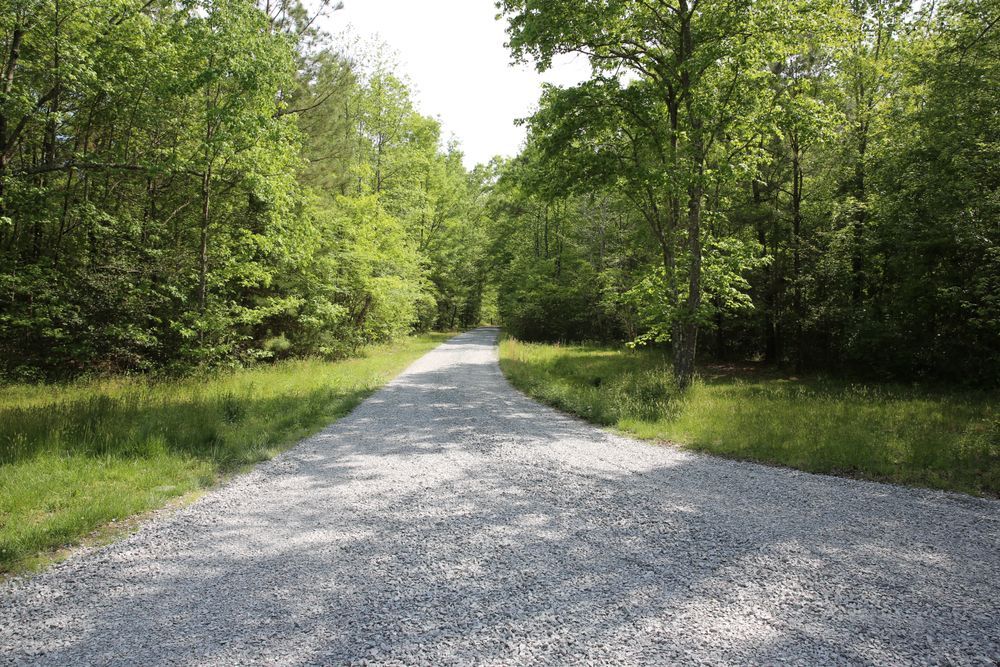
Grading determines where water moves once it hits the driveway surface, which directly affects how long the gravel remains in place and functional. The work establishes a crown or slope that channels runoff to the edges rather than allowing it to pool in the center, where vehicle weight would press water into the base layer and create soft spots that eventually collapse under repeated use.
Once grading and base preparation are complete, you'll notice that vehicles no longer create deep ruts during wet conditions, and the surface remains firm rather than shifting under tires. JM Excavating structures each driveway to match the property's drainage patterns and vehicle load requirements, so the gravel stays distributed evenly across the driving surface instead of migrating toward low areas or washing into ditches during storms.
The finished driveway includes compacted gravel over a prepared base, but ongoing maintenance still matters—grading the surface periodically and adding material where traffic patterns create wear extends the lifespan and keeps the driveway functional through seasonal freeze-thaw cycles that can shift even well-constructed surfaces.
What Property Owners Usually Ask
Gravel driveways serve homes, construction sites, and rural properties throughout Northern Virginia, and the following questions address the preparation and performance details that affect long-term durability.
What preparation happens before gravel is placed?
The existing surface is evaluated for stability, soft areas are excavated and replaced with compactable fill, and the site is graded to establish drainage paths that direct water away from the driving area before any gravel arrives.
How does grading affect drainage on a gravel driveway?
Grading creates a slope or crown that moves runoff toward the edges rather than allowing water to pool in the center, which prevents the base layer from becoming saturated and losing its load-bearing capacity under vehicle weight.
When should a gravel driveway be regraded?
Regrading is typically needed when ruts form in high-traffic areas, when gravel migrates off the driving surface during heavy rain, or when the surface no longer sheds water effectively and puddles begin to form after storms.
Why do some gravel driveways develop soft spots?
Soft spots form when water infiltrates the base layer beneath the gravel, which happens if the driveway lacks proper drainage grading or if the underlying soil was not prepared to support vehicle loads before gravel was added.
What type of gravel works best for driveways in Bealeton?
Angular crushed stone with varied particle sizes compacts more effectively than rounded gravel and resists displacement under vehicle traffic, creating a surface that remains stable through freeze-thaw cycles common in Northern Virginia.
JM Excavating prepares driveway sites by addressing drainage and base stability before gravel placement, so the finished surface handles daily vehicle use without developing ruts or washouts. Schedule a site assessment to review your property's access requirements and grading conditions.